
Graduate and student communities
Students & colleges
A private early-support layer for students navigating academic pressure, transitions, isolation, research intensity, and life away from familiar support.
View use caseAbout
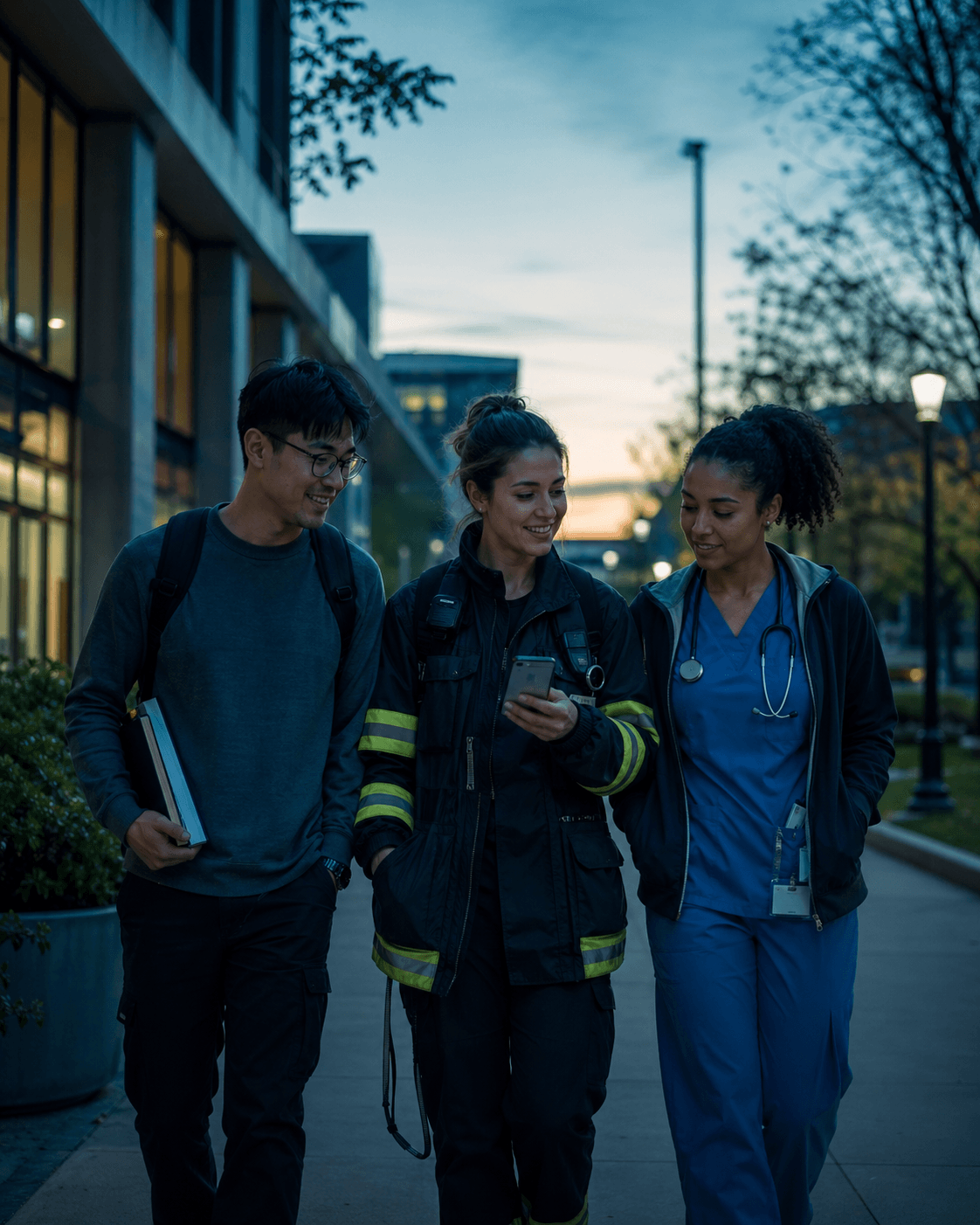
Pressure often builds quietly. It may show up as stress, fatigue, disrupted sleep, low energy, lost focus, reduced recovery, or a feeling that someone is becoming more isolated.
IGYBuddy helps people pause, check in, understand today’s status, and choose a small next step that fits their circumstances. Sometimes that step is a breath, a meditation reset, a short walk, a stretch, a reflection, a look at recent trends, opening a support pathway, or reaching out to a trusted buddy.
The product is not designed to diagnose, treat, or replace professional support. It is designed to make early support easier, calmer, and more human across student, first-responder, healthcare, athlete, veteran, First Nations, and other high-pressure settings.
People often need support before they are in crisis. IGYBuddy helps make small changes easier to notice and easier to act on.
The app focuses on check-ins, Today’s Status, trend context, guided self-care, support contacts, and simple next steps.
Users choose their buddies, control sharing, and decide when support is invited. The aim is to feel supported, not watched.
IGYBuddy is positioned as a health and wellness support platform, not a medical device, not a diagnostic tool, and not a replacement for professional care.
Business focus
Graduate and student communities
A private early-support layer for students navigating academic pressure, transitions, isolation, research intensity, and life away from familiar support.
View use case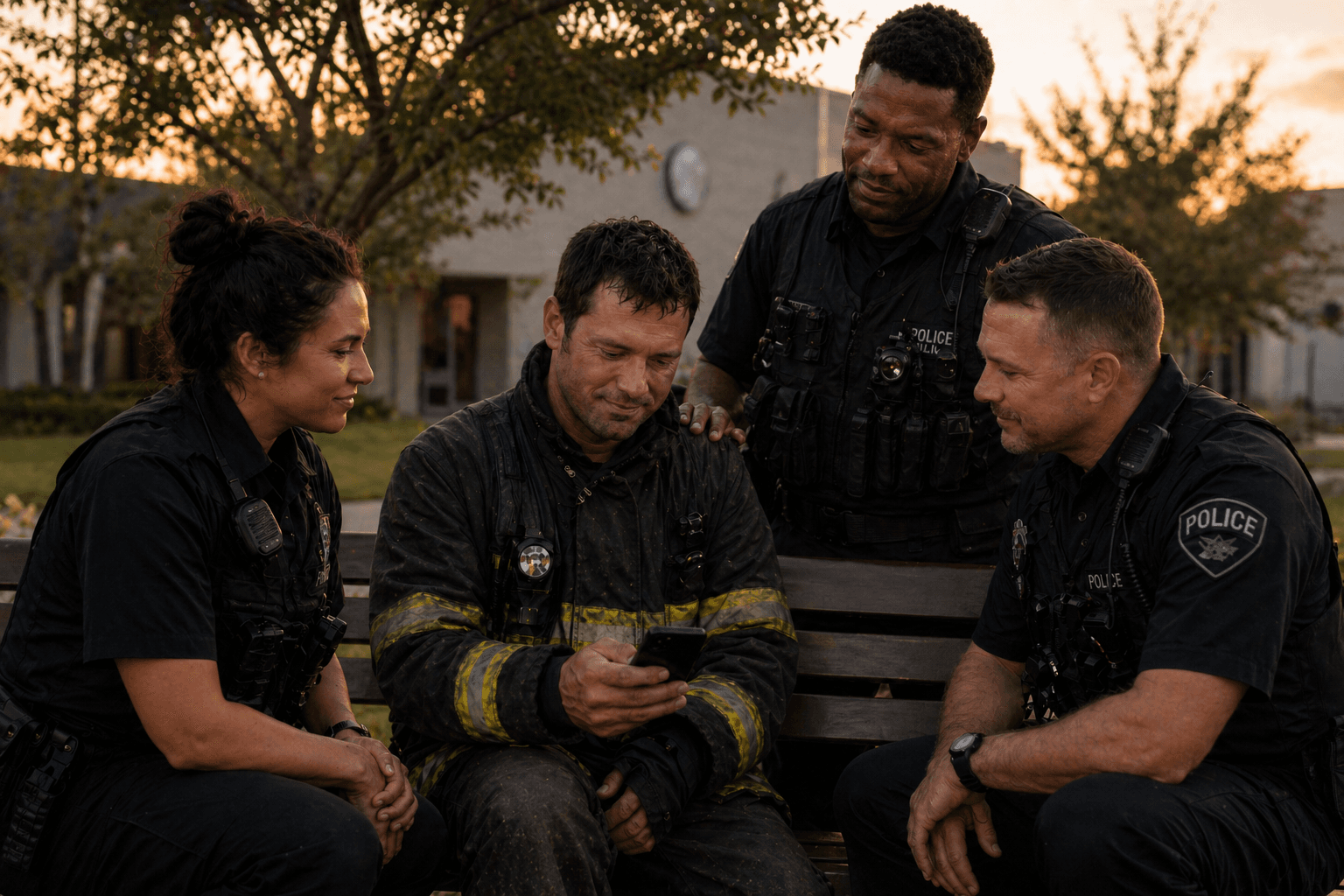
Public safety and blue-light teams
A calm check-in and buddy-support flow for responders, dispatchers, and public-safety teams where pressure, fatigue, and exposure can build quietly.
View use case
Care, clinical, and support teams
A practical way for healthcare and care workers to check in after demanding shifts, notice recovery patterns, and reach trusted support earlier.
View use case
Performance, team, and training environments
A simple, recovery-aware support flow for athletes and performance groups where stress, fatigue, sleep disruption, and pressure can affect both wellbeing and performance.
View use case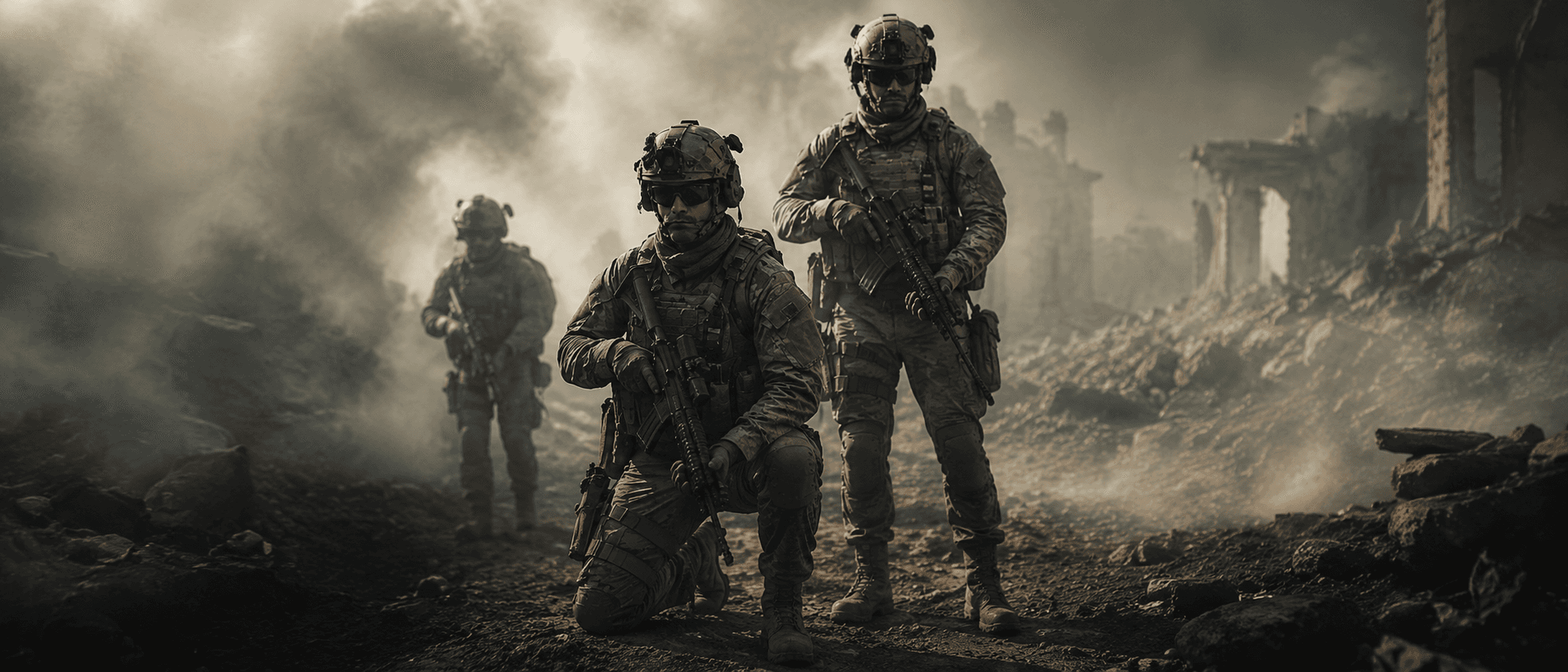
Veterans, reservists, and support networks
A private, opt-in support layer for veterans and veteran-serving organizations focused on transition, connection, recovery, family support, and trusted buddy check-ins.
View use case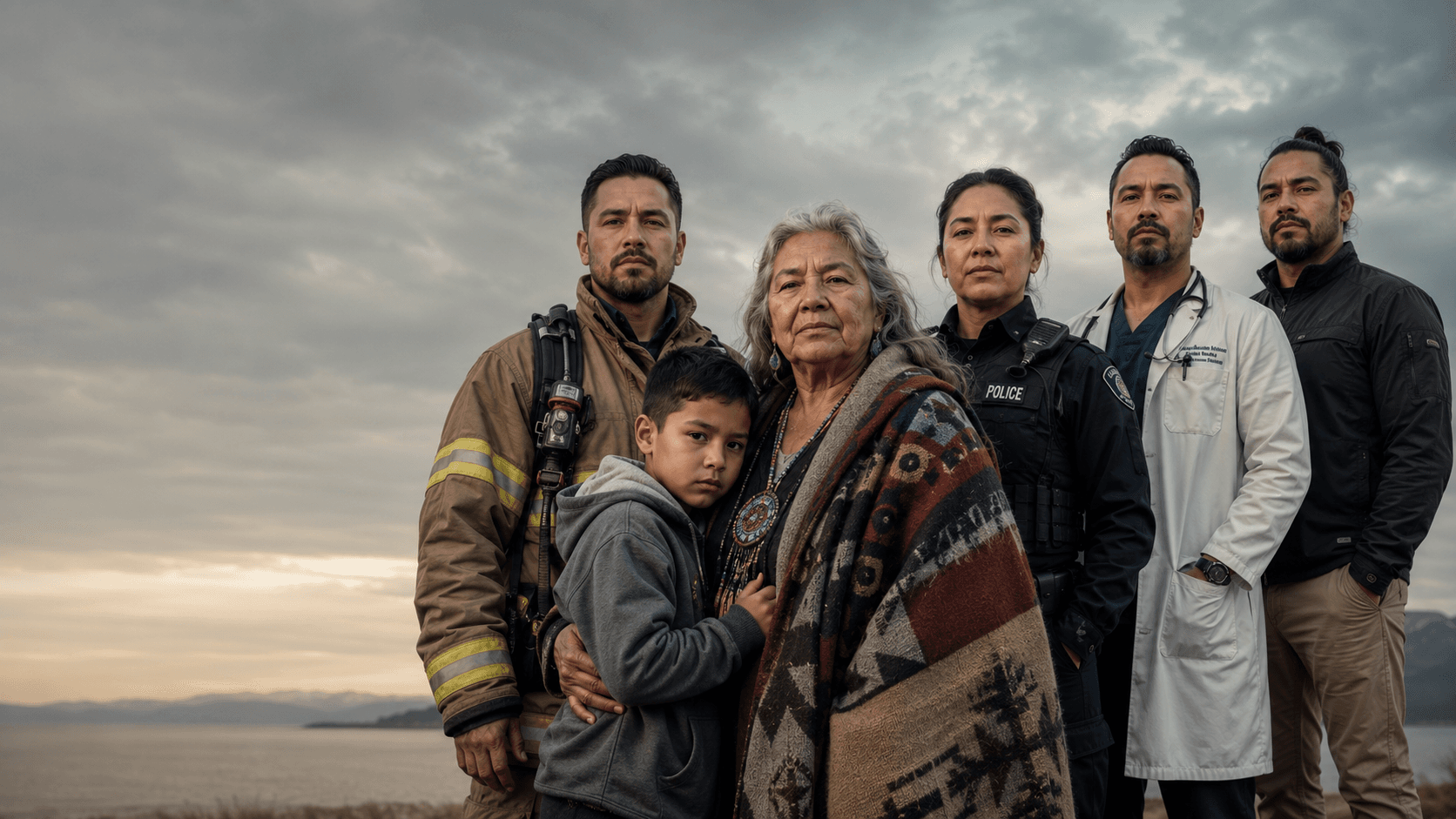
Community-led wellness and support
An respectful, privacy-first support flow that can be configured with First Nations partners around local pathways, trusted relationships, and community-led language.
View use case