✦
Private daily check-ins
A quick colour check-in helps people name how today feels, with optional focus, stress, energy, sleep quality, recovery, and notes.
IGYBuddy helps students, first responders, healthcare workers, athletes, veterans, First Nations, and other high-pressure communities check in, understand today’s status, improve a low day with realistic self-care options, and stay connected to people they trust.
Built to complement student welfare, counselling, peer support, occupational health, staff wellbeing, and professional services — not replace them.
graduate colleges, student communities, and high-pressure academic environments
fire, police, ambulance, dispatch, corrections, and public-safety teams
nurses, doctors, care workers, allied health, trainees, and support teams
teams, coaches, training groups, performance programs, and recovery-focused environments
veterans, reservists, family-support networks, and veteran-serving organizations
community-led wellness, local support pathways, and trusted connection
Private check-ins, realistic next steps, and trusted buddy support for academic pressure, transitions, isolation, and belonging.
Six major launch communities

Graduate and student communities
A private early-support layer for students navigating academic pressure, transitions, isolation, research intensity, and life away from familiar support.
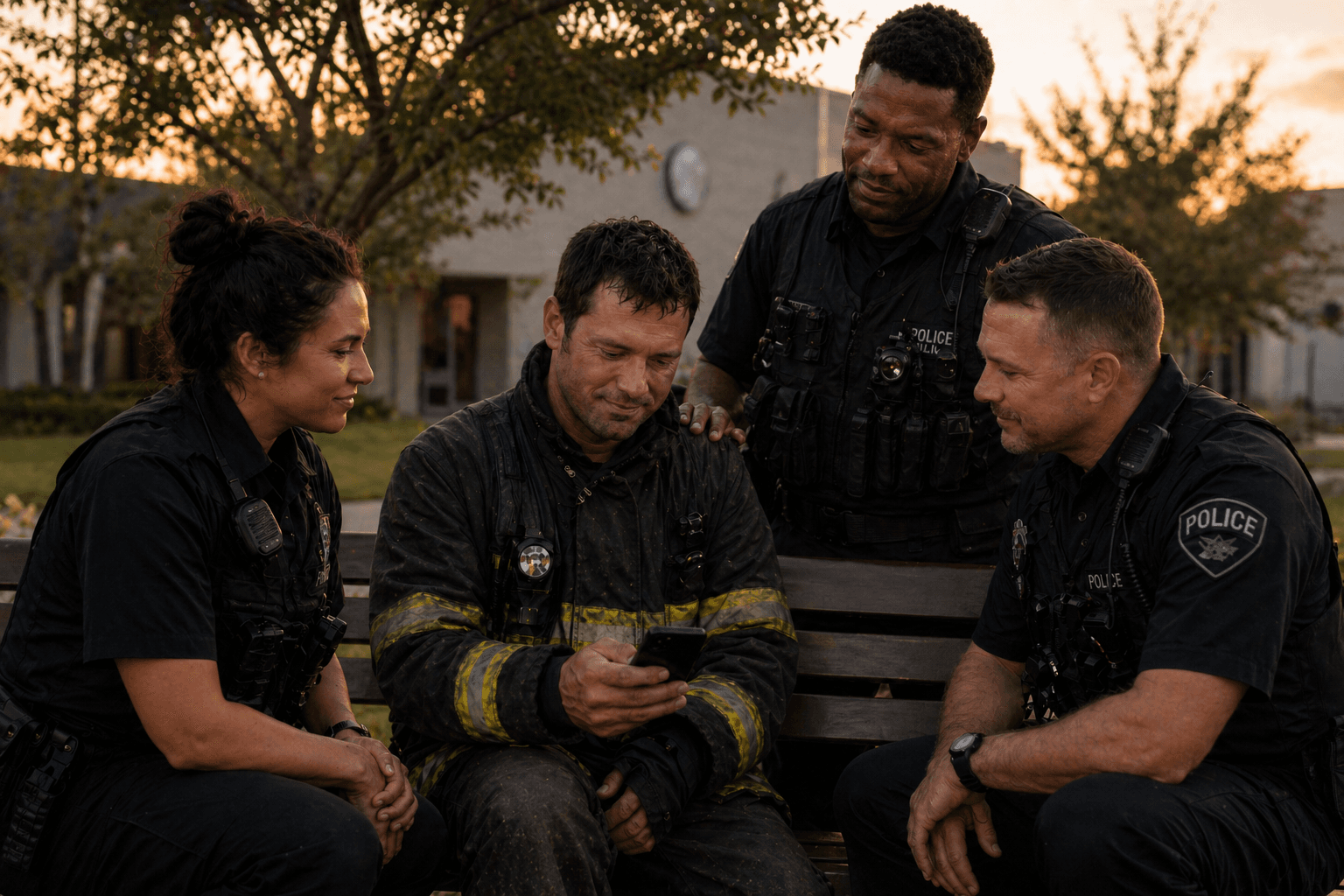
Public safety and blue-light teams
A calm check-in and buddy-support flow for responders, dispatchers, and public-safety teams where pressure, fatigue, and exposure can build quietly.

Care, clinical, and support teams
A practical way for healthcare and care workers to check in after demanding shifts, notice recovery patterns, and reach trusted support earlier.

Performance, team, and training environments
A simple, recovery-aware support flow for athletes and performance groups where stress, fatigue, sleep disruption, and pressure can affect both wellbeing and performance.

Veterans, reservists, and support networks
A private, opt-in support layer for veterans and veteran-serving organizations focused on transition, connection, recovery, family support, and trusted buddy check-ins.
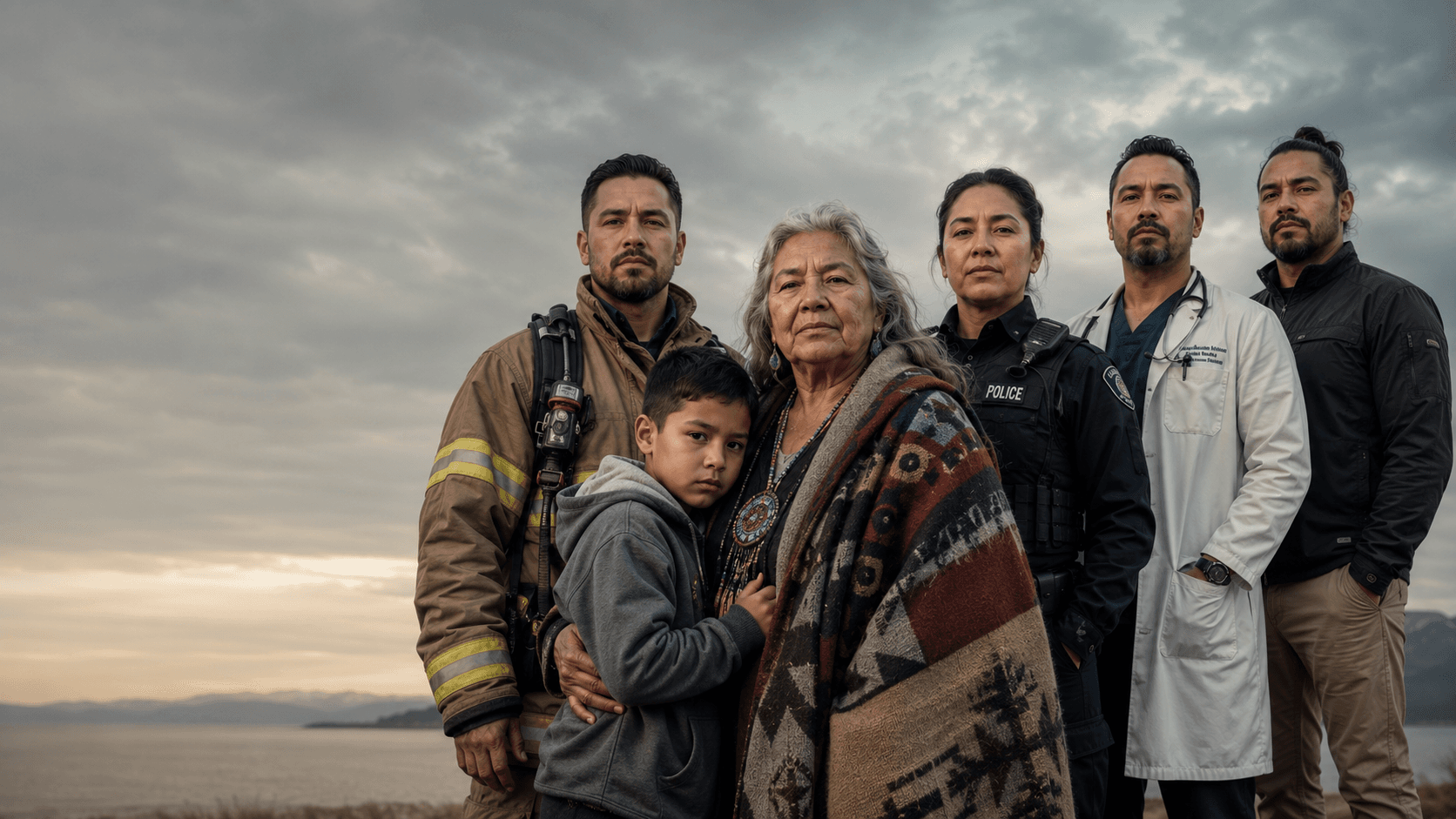
Community-led wellness and support
An respectful, privacy-first support flow that can be configured with First Nations partners around local pathways, trusted relationships, and community-led language.
What the app does today
A quick colour check-in helps people name how today feels, with optional focus, stress, energy, sleep quality, recovery, and notes.
IGYBuddy turns available check-in, baseline, self-care, and optional wellbeing signals into a simple daily wellness view of how today is looking.
Status drivers and insight cards help explain what may be affecting someone, so the picture feels understandable rather than mysterious.
When the day looks heavy, IGYBuddy can suggest realistic actions such as breathing, meditation, a short walk, stretching, or other small recovery steps.
People choose trusted buddies, ask for a check-in, and use buddy alerts when extra support would help — without turning support into surveillance.
Keep peer support, staff wellbeing, welfare routes, occupational health, emergency options, and self-care tools close by without turning the app into a crisis service.

When Today’s Status is low
The app can suggest short movement options such as a five-minute walk or a simple stretch when energy, recovery, or stress signals look off.
Users can choose calming options such as a one-minute reset or a three-minute breathing break when they need something manageable and quick.
The goal is not to overwhelm someone. IGYBuddy tries to suggest one practical next step that fits the day, the role, and the person’s current capacity.
Completed self-care can contribute to Today’s Status, helping the app reflect when someone has taken a helpful recovery action.
Based on each person’s circumstances
IGYBuddy can prompt a simple colour check-in so today’s status becomes more personal and easier to understand.
The app can suggest a small reset, such as slow breathing, meditation, a walk, stretching, hydration, or reviewing what has changed.
IGYBuddy can point toward lighter recovery actions, lower-friction routines, and a quick review of sleep, workload, activity, and support patterns.
IGYBuddy can help someone ask a buddy for a check-in, send a simple signal, or open their chosen support contacts.
The app can signpost welfare, peer-support, occupational-health, staff wellbeing, crisis, or emergency resources that are already available.
How it works
Step 1
Pick a colour for today and optionally add focus, stress, energy, sleep quality, recovery, and a short note.
Step 2
See Today’s Status, reasons, source tags, and trend context based on the signals available so far.
Step 3
Use practical suggestions that fit the day: breathe, meditate, walk, stretch, reflect, review insights, or reach out.
Step 4
Invite trusted buddies, ask for a check-in, and control what support is shared and when.
Step 5
Access self-care tools, support contacts, peer support, welfare routes, staff wellbeing, occupational health, and emergency resources.
Trust boundaries
IGYBuddy is designed as a health and wellness support platform for early awareness, self-care, and trusted connection. It is not presented as a medical device, diagnostic system, or treatment tool.
The app is built around user choice. People choose their buddies, control what is shared, and keep private notes private.
IGYBuddy can keep emergency and crisis resources close, but urgent danger or crisis needs local emergency or crisis support right away.
The launch message is simple: IGYBuddy helps people notice pressure earlier, understand what may be affecting them, try a realistic next step such as exercise or meditation, and connect with trusted support when needed.
Market entry
Start with one graduate-college pilot and run parallel discovery pilots with a first-responder group, a healthcare or care team, an athlete or team-sport environment, and a veteran-support organization. Use the evidence to expand into other colleges, departments, blue-light teams, care settings, performance programs, and veteran-serving partners.
Lead with campus and high-pressure team pilots while preparing privacy, consent, bilingual, community-led, and culturally respectful materials. In first-responder, healthcare, athlete, veteran, and First Nations settings, partner with existing support leads rather than replacing them.
Offer an 8 to 12 week opt-in pilot with onboarding, resource mapping, privacy controls, aggregate reporting, user interviews, and a short evaluation report that measures trust, connection, and engagement.
What pilots can measure